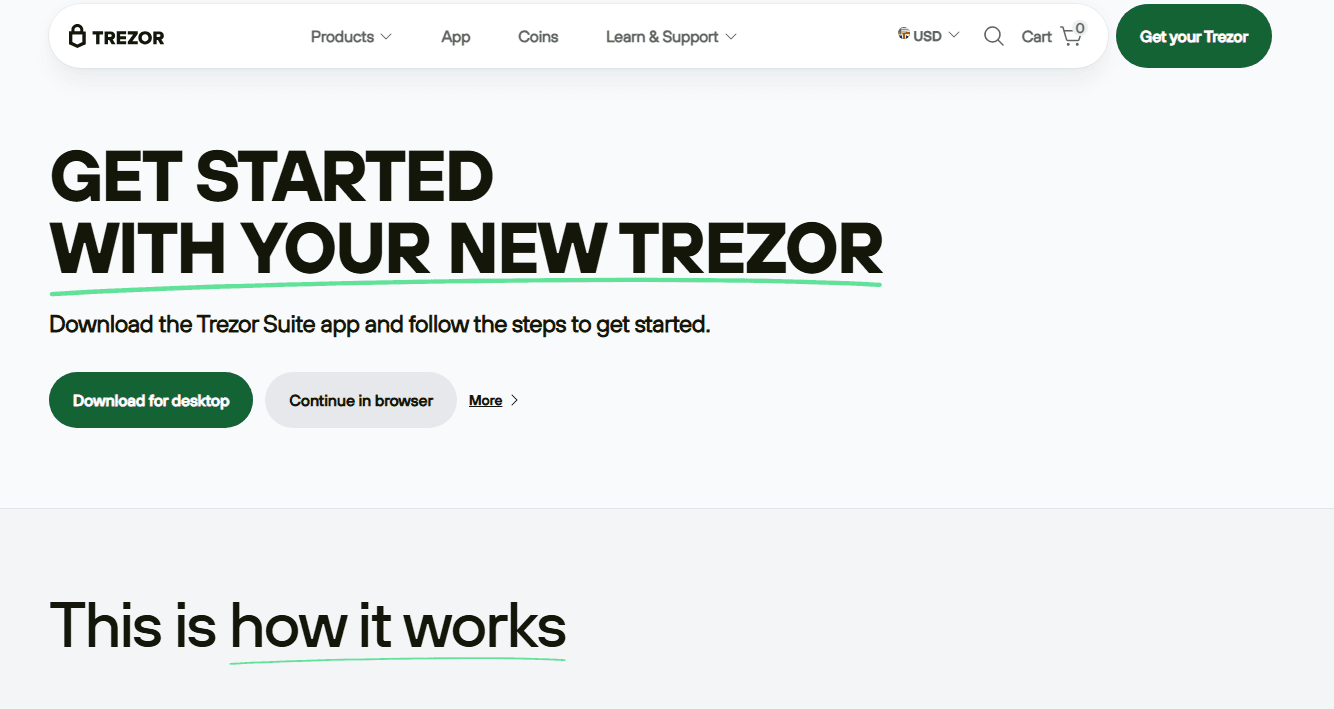
Trezor.io/Start: The Complete Guide to Setting Up and Using Your Trezor Wallet
Cryptocurrency is a revolutionary way to store and transfer value, but with it comes the responsibility of keeping your assets secure. Online wallets and exchanges are vulnerable to hacks, phishing attacks, and malware. A Trezor hardware wallet provides an offline, secure solution, giving you full control over your crypto while protecting it from online threats. This guide will take you through everything you need to know to start using Trezor safely and efficiently.
1. What is Trezor?
Trezor is a hardware wallet created by SatoshiLabs in 2013. Unlike software wallets that are connected to the internet and therefore vulnerable, Trezor stores your private keys offline, safeguarding your assets from hacks and phishing attempts.
Key Highlights:
Supports hundreds of cryptocurrencies including Bitcoin, Ethereum, and more.
Keeps your private keys offline for maximum security.
Trusted by millions of crypto users globally.
Using Trezor ensures that you remain in full control of your assets while minimizing security risks.
2. Choosing the Right Trezor Device
Trezor offers two main models: Trezor One and Trezor Model T. Choosing the right device depends on your needs and level of cryptocurrency activity.
Trezor One:
Affordable and beginner-friendly.
Supports most major cryptocurrencies.
Simple two-button interface for navigation.
Trezor Model T:
Touchscreen interface for easier operation.
Supports a wider range of coins and advanced security features.
Includes password manager functionality and passphrase support.
Evaluate your crypto usage and security requirements before selecting the right model for you.
3. Unboxing and Connecting Your Trezor
When your Trezor arrives, check that the security seal is intact. Then follow these steps to start:
Visit Trezor.io/start for official setup instructions.
Download and install Trezor Suite, the official wallet management software.
Connect your Trezor device to your computer using the supplied USB cable.
Follow the on-screen prompts in Trezor Suite to initialize your wallet.
Starting with official software guarantees that your device is genuine and secure.
4. Creating a New Wallet
Setting up a new wallet is simple but requires careful attention to security.
Open Trezor Suite and select “Create new wallet”.
Your device will generate a 24-word recovery seed. Write these words down carefully and store them offline.
Set a secure PIN code for your Trezor device.
Security Tips:
Never share your recovery seed or PIN with anyone.
Store the recovery seed in a secure, offline location.
Losing the seed can result in permanent loss of your cryptocurrency.
5. Restoring an Existing Wallet
If you already have a Trezor or another compatible wallet, you can restore your funds easily:
Select “Recover wallet” in Trezor Suite.
Enter your 24-word recovery phrase from your previous wallet.
Set a new PIN for your restored wallet.
Restoration ensures that you retain access to your crypto assets even if your previous device is lost, stolen, or damaged.
6. Managing Your Crypto with Trezor Suite
Trezor Suite is the official software for managing your wallet, available on desktop and mobile devices. It allows you to:
Send and receive cryptocurrencies securely.
Track balances and transaction history.
Manage multiple coins from a single interface.
The software is designed to prevent mistakes and provide a smooth, user-friendly experience. Always download Trezor Suite from Trezor.io/start to avoid phishing scams.
7. Sending and Receiving Cryptocurrencies
Receiving Crypto:
Copy your wallet address from Trezor Suite.
Share it only with the sender.
Verify the address on your Trezor device.
Sending Crypto:
Enter the recipient’s wallet address in Trezor Suite.
Confirm the transaction on your device.
Check network fees and confirmations before completing the transfer.
Security Tip: Always verify wallet addresses on your device to avoid phishing attacks and accidental errors.
8. Advanced Security Features
Trezor offers advanced features to enhance the security of your crypto assets:
Passphrase Protection: Adds an extra word to your recovery seed for additional security.
Two-Factor Authentication (2FA): Can be integrated with supported services.
Multi-Signature Wallets: Require multiple devices to authorize transactions, ideal for organizational use or shared accounts.
These features provide additional layers of protection, making unauthorized access nearly impossible.
9. Updating and Maintaining Your Device
Regular maintenance keeps your Trezor device secure:
Firmware Updates: Only update via Trezor Suite to ensure authenticity.
Backup Management: Keep your recovery seed offline and secure.
Security Best Practices: Avoid entering your seed phrase online and stay vigilant against phishing attacks.
Proper upkeep ensures your device stays safe and functional for years to come.
10. Troubleshooting Common Issues
Even with careful setup, issues may arise:
Device not recognized by Trezor Suite: Reconnect the device or restart your computer.
Forgotten PIN: Use your recovery seed to restore wallet access.
Transaction delays: Check network fees and network status.
For unresolved issues, contact Trezor Support through official channels to avoid scams.
11. Tips for Safe Crypto Management
Effective crypto management requires ongoing attention:
Regularly monitor your holdings using Trezor Suite.
Never share your recovery seed or PIN.
Stay updated about phishing scams and malware threats.
Enable all security features available on your Trezor device.
Following these tips ensures that your crypto remains secure and accessible only to you.
12. Conclusion
Trezor provides a secure, user-friendly solution for cryptocurrency management. By following this guide, protecting your recovery seed, and using Trezor Suite responsibly, you can confidently manage your digital assets.
Whether you are new to cryptocurrency or an experienced investor, Trezor’s combination of hardware security and intuitive software makes it an essential tool for anyone serious about crypto security.